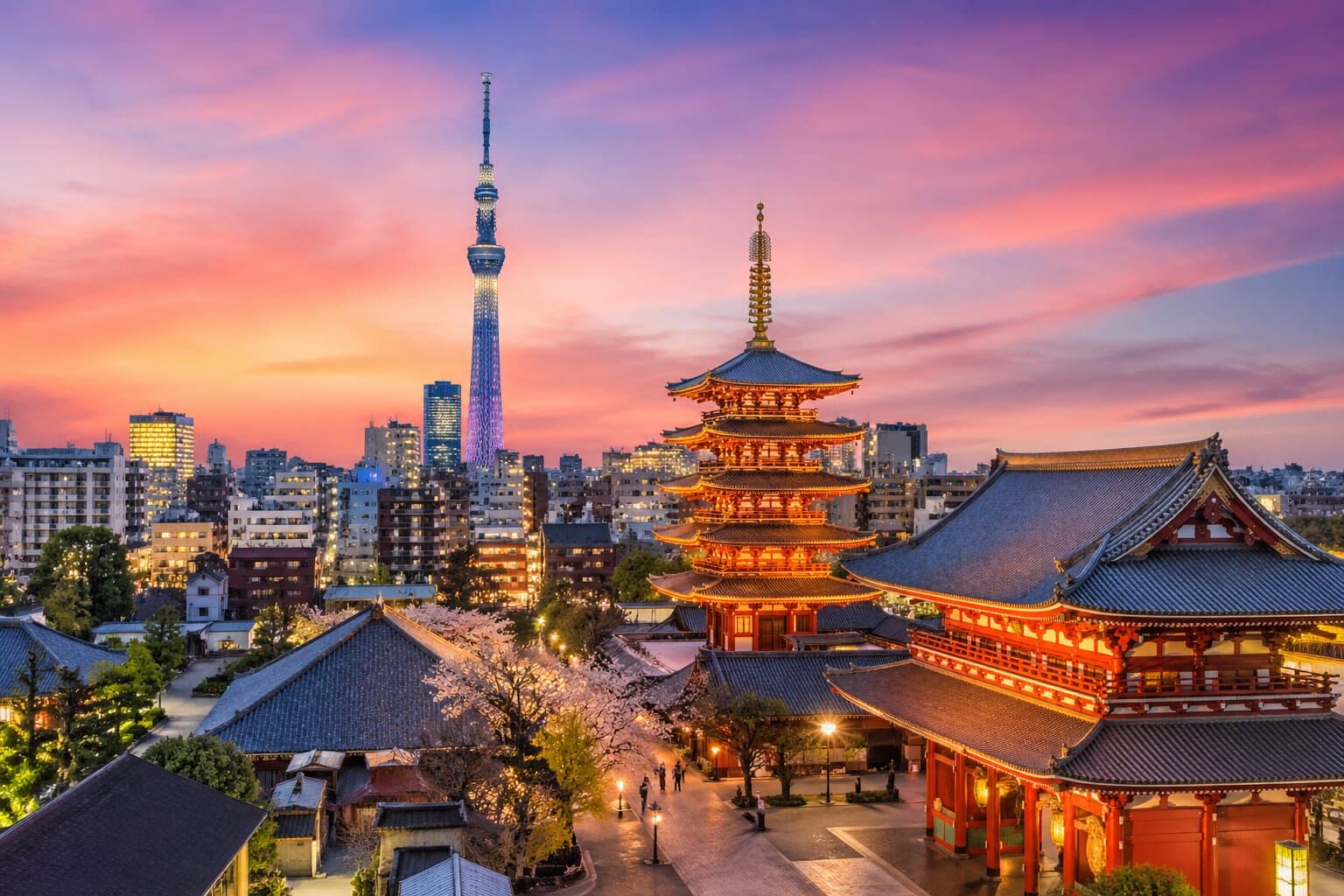
Tokyo destination view

Weekend Favorites

Tokyo, Japan

Tokyo works well for travelers balancing efficient transit, standout food districts, and hotel neighborhoods that make a first visit easier to plan.

City breaks · Food · Transit-friendly

At a glance

Stay type
Design hotels
Price signal
From $145 / night
Travel window
March to May
Search stays in Tokyo

Destination overview

Planning a stay in Tokyo

Tokyo is popular with travelers who want efficient transit, standout food districts, and hotel neighborhoods that make a first visit easier to plan.

If you’re going for city breaks, food, and easy transit, stay close to the parts of town you’ll walk most. Budget about $145 a night around March to May.

For a first visit, Shinjuku is usually the easiest base; Shibuya is better if you want quieter evenings.

Before you book, decide what matters more for this trip: walking distance, quiet nights, space, or price. That one choice usually narrows Tokyo faster than browsing every listing.

Season and timing

When to go to Tokyo

March to May is usually the most popular time to visit Tokyo, especially if you’re focused on city breaks, food, and easy transit. Outside that window, weather, crowds, and prices can change—so the neighborhood you pick matters more.

If your dates are fixed, choose between Shinjuku and Shibuya first, then decide whether design hotels or a more spacious stay fits your days better.

If your dates are flexible, shifting a week or two around March to May can mean easier availability and a less crowded feel.

Asakusa is useful when Shinjuku feels too busy or when you want a different balance of price, quiet, and access.

Pack a little buffer into your arrival day in Tokyo so the first night is about settling in, not racing across town.
Neighborhoods

Where to stay in Tokyo

Pick an area that matches how you want to spend most days. If an area isn’t in our location index, we’ll open stays for the whole destination.

Trip fit

Who Tokyo fits

  • Travelers interested in city breaks, food, and easy transit.
  • First-time visitors who want design hotels close to the main things they’ll do.
  • Longer stays that may need an apartment or villa for space, cooking, or laundry.
  • Couples, friends, or solo travelers who care about evening atmosphere as much as daytime plans.
  • Short-break travelers choosing between a walkable centre stay and a calmer residential base.

Before you book

Planning tips for Tokyo

  • Check your likely daily walking route on a map before you book—Tokyo feels different in Shinjuku than in Shibuya.
  • Look at one stay in Shinjuku and one in Shibuya so you can weigh price and atmosphere side by side.
  • Check late-night noise, hills or stairs, and airport or station transfer time—those details change the trip as much as the room.
  • Asakusa is worth a look if Shinjuku feels too busy or Shibuya feels too far from what you want to do.
  • Read recent guest notes about location and noise, not only star ratings, before you confirm.
  • If two stays look similar, choose the one that makes breakfast, transit, and the walk back at night feel easier.
  • A clear neighborhood choice usually beats chasing the perfect room listing across Tokyo.
  • Leave a little flexibility in your first full day so you can adjust if the area feels busier than expected.

FAQ

Common questions about Tokyo

When is the best time to visit Tokyo?

March to May is the most popular period for Tokyo, especially if you’re after city breaks, food, and easy transit. Nearby months can be quieter and sometimes cheaper if the weather still suits your plans. If comfort matters more than perfect weather, look just outside the peak window.

Where should I stay in Tokyo?

For a first visit, start with Shinjuku. Look at Shibuya if you want calmer evenings, and consider Asakusa when trip length or budget pushes you further out. Match the area to dining, transit, and how much walking you want each day, then compare stays inside that short area list.

Are design hotels a good fit for Tokyo?

Yes for many trips—design hotels are a common choice in Tokyo. Switch to apartments, villas, or resorts when you need more space, a kitchen, beach access, or a slower multi-day rhythm. Keeping the same neighborhood while you change stay type makes the comparison clearer.

How should I compare stays in Tokyo before booking?

Pick two or three areas, decide what matters most (quiet nights, transit, family layout, or beach access), then compare prices and cancellation terms. Treat $145 a night as a rough guide—final prices change with dates and demand—and confirm the map pin still fits your daily plan.

Helpful comparisons

Compare stay choices in Tokyo

Related ideas

Similar destinations to compare next