
When is the best time to visit Kyoto?
March to April and mid-autumn are classic peaks. Shoulder weeks can feel kinder on crowds. Summer is hot; winter can work with quieter streets.

Longer Escape Shortlist
Kyoto rewards a clear pace pick: Kawaramachi for walkable downtown weeks, Gion for historic lanes, and Arashiyama when western scenic days lead.
Culture · Seasonal trips · Quiet stays
At a glance
Overview
Kyoto is a temple city where the nightly district shapes the trip. Kawaramachi and Central Kyoto keep dining and transit easy. Gion and Higashiyama lean historic lanes; Shimogyo helps with station logistics; Arashiyama rewards western scenery when you accept the hop back into town.
Seasonal crowds and early temple hours punish an Arashiyama ryokan if every dinner is downtown. Loud downtown pins frustrate light sleepers—anchor where you will walk after dark.
Cherry blossom and autumn foliage weeks fill earliest. Buffer station transfers with luggage, keep flexible outdoor plans for rain, and open with a quiet lane walk near the hotel.
Buses and trains link Kawaramachi to Higashiyama and Arashiyama; IC cards help. Station luggage days deserve buffer. Four nights downtown or Gion-side with one Arashiyama day trip is cleaner than sleeping west and dining east nightly.
When two options look similar, decide whether Kawaramachi convenience or a quieter Central Kyoto edge matters more for this trip, then keep farther areas as day outings. A clear nightly base usually saves more time than an ambitious hotel-hopping plan across Kyoto.
Scan recent notes about noise, transfers, and walking time around Kawaramachi and Gion. If two stays look similar on price, choose the one with the simpler arrival and the quieter street for the hours you will actually sleep.
If peak dates cannot move around peak season in Kyoto, prioritize location over a bargain pin far from where you will spend evenings. One flexible half-day in the itinerary absorbs queues, weather, and transit delays without collapsing the week.
When comparing pins, decide whether Kawaramachi convenience or a quieter Central Kyoto edge matters more for this trip, then keep farther areas as day outings. A clear nightly base usually saves more time than an ambitious hotel-hopping plan across Kyoto.
Season and timing
March to April and mid-autumn are the classic peak windows: fuller gardens, higher rates in Gion and Kawaramachi, and earlier bookings. Plan around crowds if dates are fixed.
Shoulder weeks outside blossom and foliage can feel kinder on lines while still offering outdoor temple days and softer hotel availability.
Summer is hot and humid; winter can work for quieter streets with flexible outdoor plans and more indoor dining.
If dates are fixed around peak blossom, prioritize a walkable base over the cheapest pin labeled Kyoto.
Allow buffer on arrival day. Kyoto Station to Kawaramachi, Gion, or Arashiyama can stretch when luggage and peak crowds stack up before the first evening walk.
If you are combining Kyoto with Osaka or Nara day trips, keep one flexible afternoon so transit delays do not erase a temple morning you already prepaid.
Neighborhoods
Where to stay in Kyoto
Loading neighborhood ideas…
Trip length
Four full days suits a first taste: one east-side temple day, one downtown and market day, one Arashiyama outing, and buffer for crowds and weather.
Five to seven days feels better if you want slower shrine mornings or day trips without packing every district into one afternoon.
If you only have a long weekend, stay near Kawaramachi or Central Kyoto and cut far Arashiyama zigzags. Kyoto rewards depth in one corridor more than covering every temple.
Sample itinerary
Treat this as a loose rhythm based near Kawaramachi or Gion. Protect crowd buffers for peak temple hours. Leave one evening short if walking has stacked up.
Land, transfer to your hotel, and keep the first evening short: a quiet stroll near your base, an easy dinner, and an early night. Learn a sheltered route home before you chase late viewpoints.
Focus on one Higashiyama or Gion morning and a slower café afternoon. End near your hotel so crowds and dinner do not stack into a long late transfer.
Spend the day around Kawaramachi, Central Kyoto, or a market loop. Keep the night closer if walking has used up your energy.
Use this for Arashiyama or a quieter hotel morning. If you leave later, confirm station timing with luggage in mind.
Getting around
Buses, subway, and walking cover most visitor hops between Kawaramachi, Gion, Higashiyama, and the station. Build buffer time for peak crowds.
From Kyoto Station, allow extra time on arrival day so check-in and the first walk do not collide.
Downtown evenings are walkable from many hotels; still plan the return after late dinners.
If your stay sits in Arashiyama, budget transit time for central evenings. A western scenic base is less convenient when every night is a long hop back into Kawaramachi.
Trip fit
Before you book
FAQ
March to April and mid-autumn are classic peaks. Shoulder weeks can feel kinder on crowds. Summer is hot; winter can work with quieter streets.
Start with Kawaramachi or Central Kyoto for walkable logistics. Look at Gion or Higashiyama for historic lanes, Shimogyo for station convenience, and Arashiyama when western scenic days lead.
Yes for a first taste if you stay near one corridor and avoid packing every temple into one afternoon. A week is better with slower mornings and day trips.
Usually no. Buses, subway, and walking cover most visitor days. A car is rarely the easiest city option.
Taxi, bus, or subway are common. Allow extra time for Kawaramachi, Gion, or Arashiyama check-in after a long trip.
Choose Kawaramachi when dining and transit logistics lead. Choose Gion when historic-lane evenings matter more—and visit the other as a day outing.
Stay ideas
Places to stay in Kyoto
Loading stay options for this guide…
Related ideas
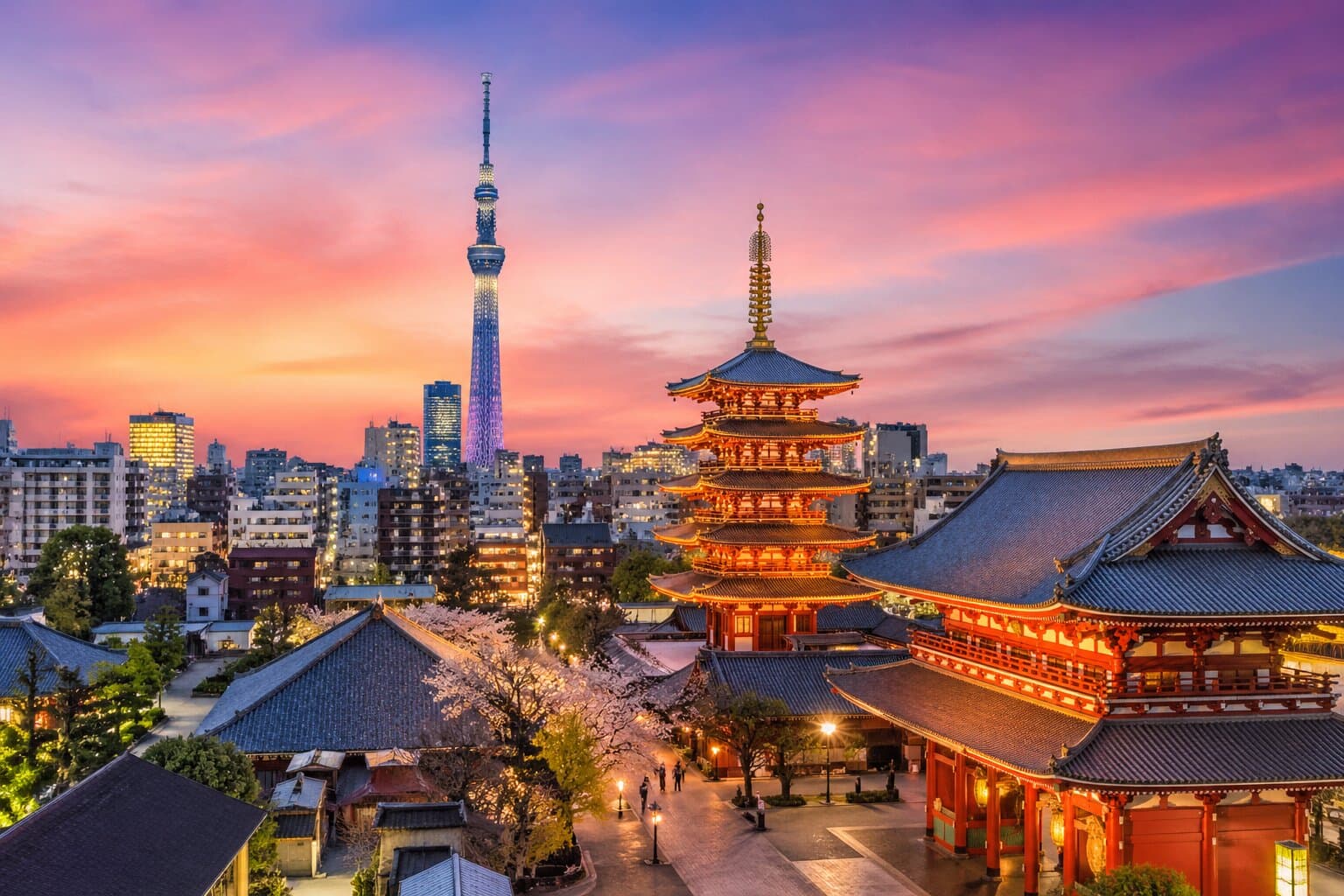
Tokyo rewards a clear home station: efficient trains, dense food streets, and neighborhoods that feel completely different after dark.
4.8 · From about $145 / night · Late March to early May
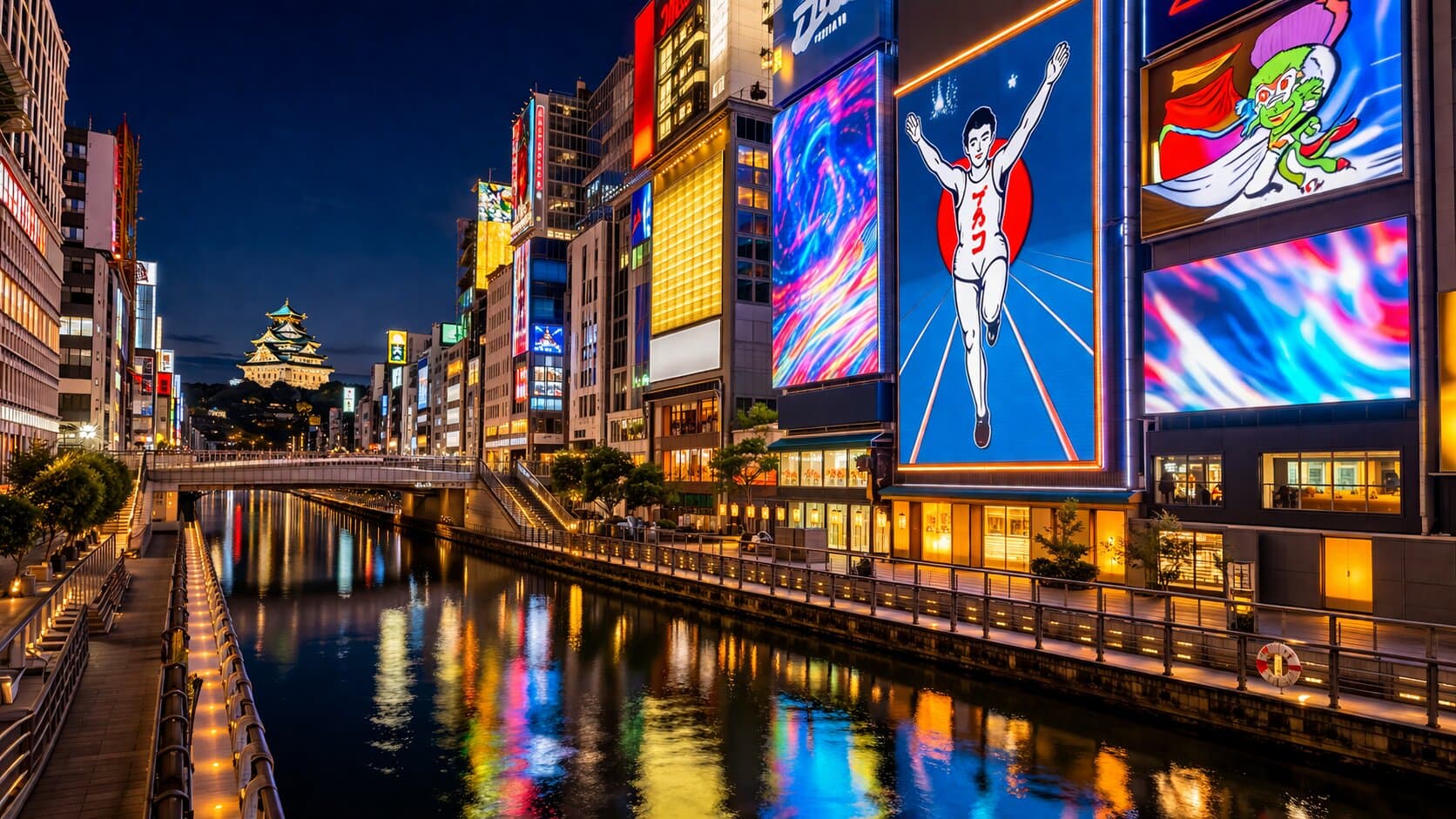
Osaka rewards a clear neighborhood pick: Namba for food weekends, Umeda for transit hotels, and Shinsekai or Tennoji when clearer value leads.
4.8 · From about $146 / night · March to May
Neighborhoods
Pick a base that matches how you want to spend most days—then compare stays in that area.
Best first walkable downtown base for dining and transit. Confirm noise tolerance on busy lanes versus quieter side streets.
Explore this areaPractical centre when shopping and hotel logistics lead without densest nightlife pins.
Explore this areaHistoric-lane evenings when atmosphere leads—and you accept peak-season crowds nearby.
Explore this areaTemple-district mornings when quieter hillside walks lead.
Explore this areaStation-convenient nights when arrivals, day trips, and luggage logistics lead.
Explore this areaWestern scenic days when bamboo-grove pacing leads with planned hops into the centre.
Explore this areaLocal forecast
A short read for packing and outdoor timing—pair it with the seasonal notes for the bigger picture.
Now
13°C
Partly cloudy
Today
19° high · 12° low
Drizzle
19° high · 12° low
Forecast via Open-Meteo · temperatures in Celsius
Thu, Nov 19
12° high · 7° low
Overcast
12° high · 7° low
Fri, Nov 20
10° high · 5° low
Drizzle
10° high · 5° low
Sat, Nov 21
11° high · 5° low
Partly cloudy
11° high · 5° low
Stay ideas
Open a stay for photos and amenities, then continue when the place and price feel right.
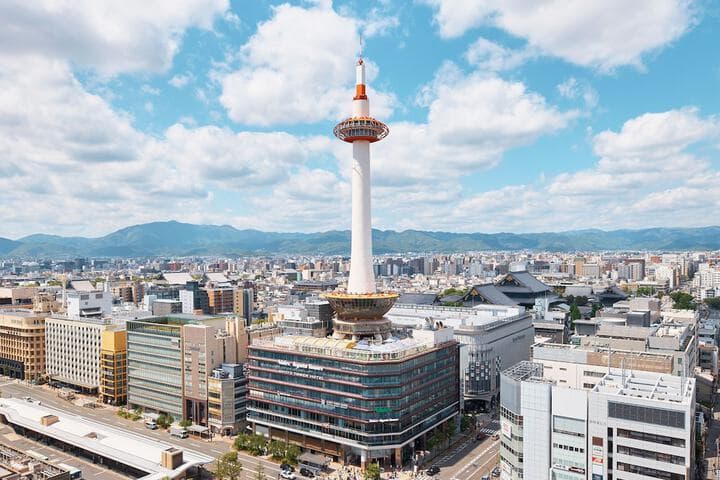
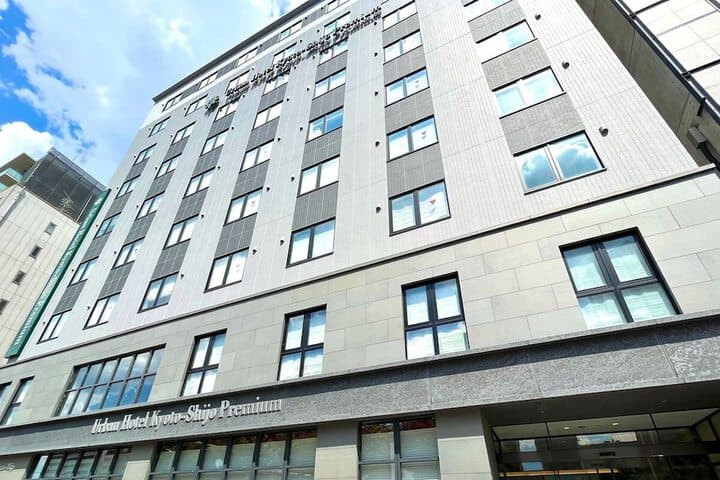
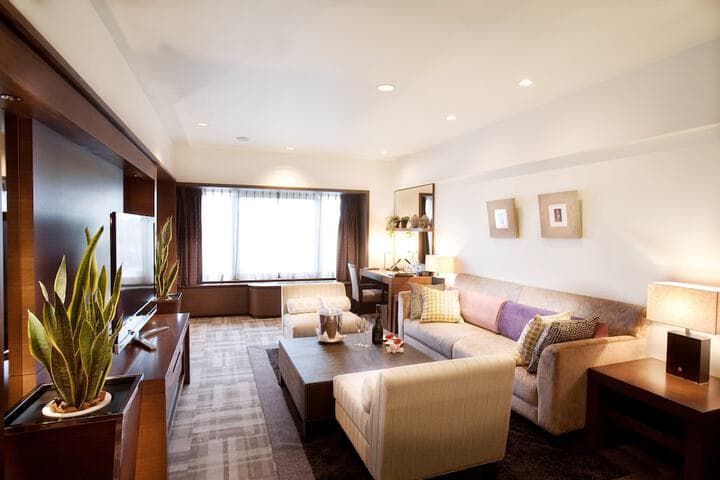
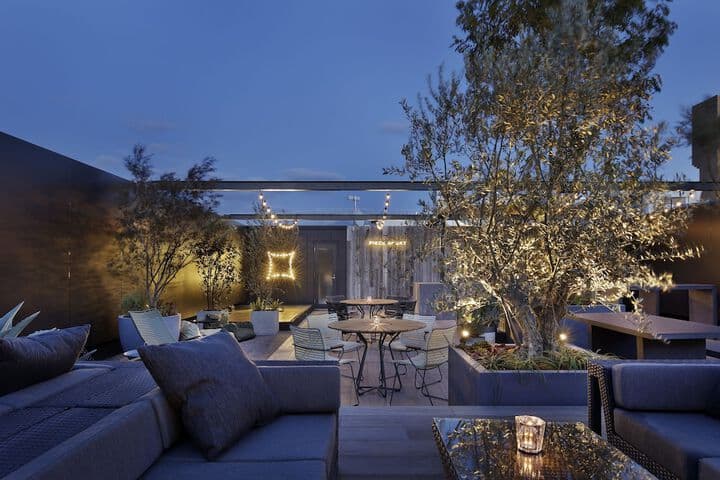
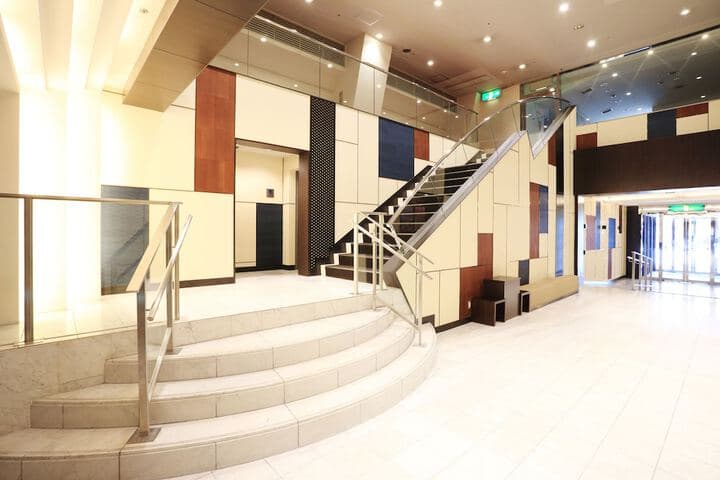
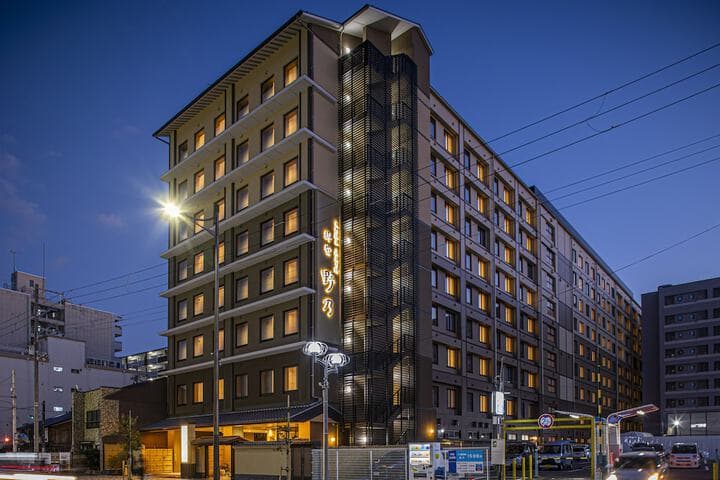
Kyoto · Hotel
Hotel in Kyoto for up to 2 guests.