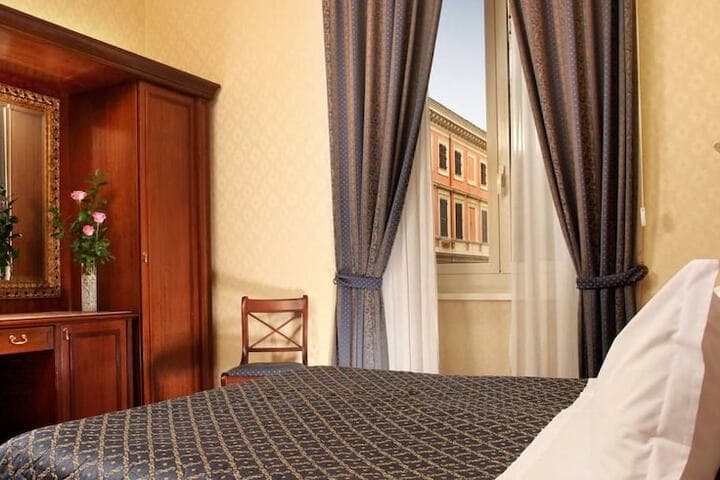
When is the best time to visit Rome?
April to May and September to early October are often the most comfortable for walking all day. Summer is hot; winter is quieter. Holiday weeks fill the historic center fast.

Longer Escape Shortlist
Rome rewards a walkable base: Monti or the historic center for sightseeing days, Trastevere for evening energy, and Prati when Vatican mornings matter most.
Culture · Couples · City stays
At a glance
Overview
Rome is a city of short distances that still punish a bad base. Stay near the sights you will actually walk between most days—Monti for the ancient center, the historic core around Navona for dense piazzas, Trastevere for dinner-led evenings, Prati for Vatican mornings.
For a long weekend, a hotel with clear check-in near your main walking loop usually beats a far apartment with self check-in after a late train. When you have closer to a week, apartment space helps—only if it stays inside the same walkable pocket, not a cheap listing a long tram ride from the Forum.
Cobblestones and late trattoria hours set the daily rhythm as much as museum tickets. Pack shoes for stone streets, and keep arrival night short so the first morning can start near your chosen ruins or piazzas.
Season and timing
April to May and September to early October are classic shoulder windows: long walking days, full restaurant calendars, and busy hotels near the centro. Book earlier if you want a specific street or a view.
July and August bring heat and more midday indoor time; winter is quieter and can be damp, with Christmas and New Year pushing rates in the historic center.
Easter, major holidays, and big event weeks fill Monti, Navona, and Trastevere first. If dates are fixed then, prioritize a walkable base even if the room is smaller.
Shoulder weeks just outside peak spring can still feel lively with slightly easier availability—worth watching if your calendar can slide a few days.
Build buffer into Fiumicino or Ciampino transfers. Traffic and train connections take longer with luggage than the map suggests.
Neighborhoods
Where to stay in Rome
Loading neighborhood ideas…
Trip length
Three full days covers a first taste: one ancient-center day, one Vatican day, and one flexible day for a neighborhood, gallery, or return visit.
Four to five days feels better if you want a day trip (Tivoli, Ostia, or a food-focused Trastevere loop) without rushing every evening. A week lets you slow down—laundry, a second gelato street, and time to get lost on purpose.
If you only have a long weekend, stay in one walkable zone and cut cross-city zigzags. Rome rewards depth in a few areas more than ticking every landmark.
Sample itinerary
Treat this as a loose rhythm based near Monti or the historic center. Swap days if ticket times move or the weather turns.
Land, transfer to your hotel or apartment, and keep the first evening short: a neighborhood walk, a simple dinner nearby, and an early night. Learn your closest metro or tram stop before you chase views.
Focus on the Colosseum, Forum, and nearby Monti streets. Book timed entries where needed, then end with dinner close to your base so you are not navigating late with tired feet.
Start early for the Vatican Museums or St. Peter’s, then keep the afternoon lighter in Prati—coffee, a quieter street, or a longer lunch. Return across the river or by metro for an evening in Trastevere if you want a different dinner scene.
Use this for a second neighborhood (Navona piazzas, Testaccio market), a day trip, or a return to whatever you liked most. If you fly or train out later, confirm luggage storage and transfer time before you check out.
Getting around
Walking is the main mode inside a good base. Cobblestones and heat make comfortable shoes more important than covering every district in one day.
Metro, trams, and buses fill longer hops—Ottaviano for Vatican access, Termini for trains. Tickets are simple; validate where required and watch for pickpockets on busy lines.
From Fiumicino, the Leonardo Express to Termini is common; from Ciampino, buses or private transfers are typical. Build buffer time on arrival with luggage.
Taxis help late at night or with bags, but short centro hops are often faster on foot. If your apartment has stairs and no lift, factor that into arrival day.
Trip fit
Before you book
FAQ
April to May and September to early October are often the most comfortable for walking all day. Summer is hot; winter is quieter. Holiday weeks fill the historic center fast.
Start with Monti for ancient-center walks, Navona for dense historic piazzas, Trastevere for evening energy, or Prati for Vatican mornings. Pick one base and keep most days walkable.
Yes for a first taste if you stay near a walkable cluster and avoid packing every landmark into one day. Four or five days is better if you want a slower food-focused pace or a day trip.
Hotels are simpler for short first trips and late arrivals. Apartments suit five nights or more when a kitchen or extra space matters—still in the same walkable area.
No for a typical first visit. Walking, metro, and occasional taxis cover visitor routes. A car is a hassle in the centro with ZTL zones and parking.
From Fiumicino, many travelers use the Leonardo Express to Termini or a private transfer. From Ciampino, buses or transfers are common. Leave extra time with luggage, then walk or taxi the last stretch to your stay.
Stay ideas
Places to stay in Rome
Loading stay options for this guide…
Helpful comparisons
Rome
Rome works for hotel-led city breaks and apartment stays with more room to settle in. Pick a walkable neighborhood first, then choose hotel service for a short visit or an apartment when space and a kitchen matter more.
Hotel · Apartment
Rome
When Rome dates are last-minute, prioritize check-in ease and a clear cancellation path over finding the perfect street. Hotels are usually simpler for late arrivals. Apartments can still work if the host confirms access and the location still fits a short itinerary.
Hotel · Apartment
Rome
Trastevere and Rome’s historic centre are two clear hotel bases with different evenings. Choose the Centro when monument mornings and a walkable sightseeing core lead, or Trastevere when dinner streets and a livelier neighborhood night matter more—then keep the walk to your main sights honest.
Trastevere · Centro
Related ideas

Turin is useful for spontaneous city breaks where architecture, easier pacing, and good-value stays matter more than a crowded tourist core.
4.6 · From $121 / night · April to June

Lake Como rewards a clear shore pick: Como for train access, Bellagio for postcard evenings, and Varenna when quieter ferry villages lead.
4.8 · From about $226 / night · May to September

The Amalfi Coast suits stylish beach escapes where sea views, cliffside towns, and smaller luxury stays shape the trip as much as the beach itself.
4.8 · From $239 / night · May to September
Local forecast
A short read for packing and outdoor timing—pair it with the seasonal notes for the bigger picture.
Now
18°C
Partly cloudy
Today
21° high · 17° low
Showers
21° high · 17° low
Thu, Nov 19
22° high · 14° low
Thunderstorm
22° high · 14° low
Fri, Nov 20
20° high · 12° low
Overcast
20° high · 12° low
Sat, Nov 21
19° high · 11° low
Fog
19° high · 11° low
Forecast via Open-Meteo · temperatures in Celsius
Neighborhoods
Pick a base that matches how you want to spend most days—then compare stays in that area.
Best first base for Colosseum and Forum walks with lively dining nearby. Prefer a quieter side street if nightlife noise bothers you.
Explore this areaHistoric-center piazzas and short hops between many headline sights. Expect smaller rooms and busy evenings—location is the point.
Explore this areaEvening energy and a neighborhood feel across the river. Strong for apartments on longer stays; check noise on restaurant streets.
Explore this areaCalmer residential grid near the Vatican with practical hotels and metro links. Good when museum mornings matter more than living on a piazza.
Explore this areaMarkets and a local evening pace with often better apartment value. Plan a longer walk or transit hop to the main ancient sites.
Explore this areaStay ideas
Open a stay for photos and amenities, then continue when the place and price feel right.
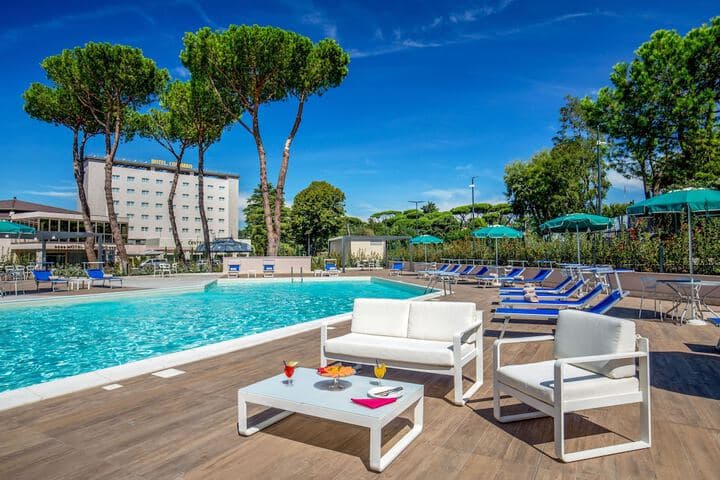
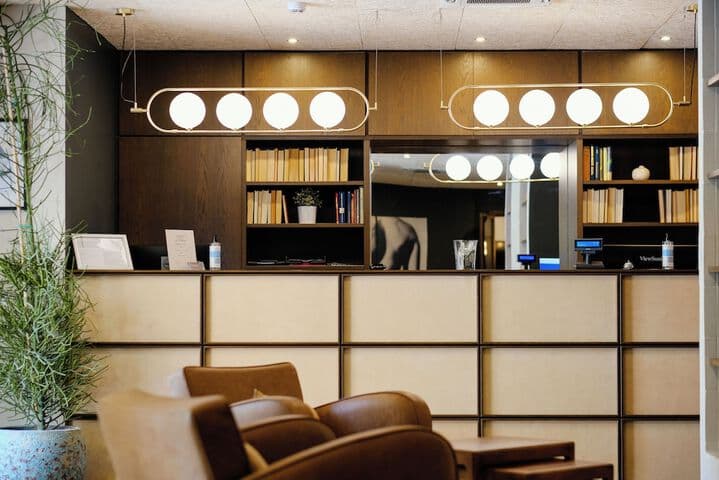
Vatican City · Hotel
Hotel in Vatican City for up to 2 guests.

Palatine Hill · Hostel
Hostel in Palatine Hill for up to 2 guests.
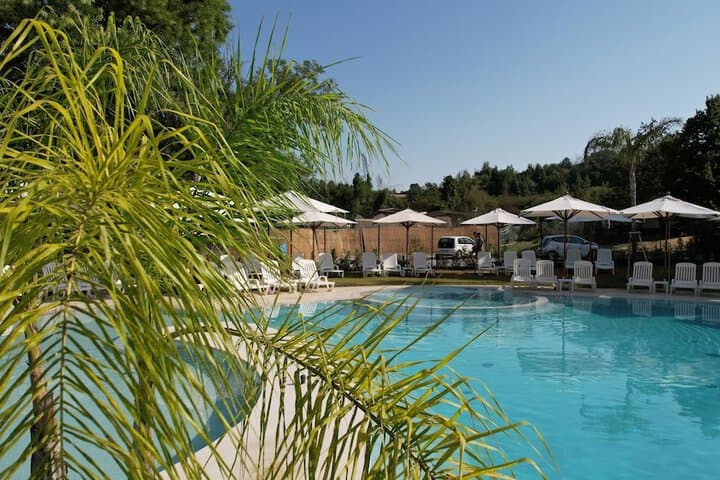
Northern Rome · Campsite or Campground Resort
Campsite or Campground Resort in Northern Rome for up to 2 guests.