
When is the best time to visit Dublin?
May to September is a strong city-break window. April and October can feel kinder on crowds. Winter suits museums and pubs if you accept colder, wetter evenings.

Weekend Favorites
Dublin rewards a clear neighborhood pick: City Centre or the Georgian Quarter for landmark weekends, Portobello or Stoneybatter for café evenings, and Docklands when modern space leads.
Weekend trips · Walkable · City breaks
At a glance
Overview
Dublin suits compact weekends, pub evenings, and short walks between museums and parks. City Centre keeps Trinity and the river close. Temple Bar adds denser nightlife. Georgian streets around Merrion Square lean calmer hotels. Portobello and Stoneybatter favor café streets; Docklands helps when you want modern rooms on busy weekends.
Rain, late dinners, and night noise near popular strips shape the stay. Temple Bar frustrates light sleepers; far Docklands frustrates nightly centre walks—one neighborhood beats hopping every district on a short trip.
Summer weekends and bank holidays fill earliest. Pack for showers, buffer airport transfers, and use the first evening to learn a dry indoor route home before museum days stack up.
Most centre sights sit inside a walkable core, with buses filling gaps to Docklands or Stoneybatter. Rain is a planning input, not a surprise—pack a layer and prefer indoor museum blocks on wet afternoons. A long weekend works if you stay central and treat coastal day trips as optional.
Season and timing
May to September is a classic city-break window: longer evenings, fuller terraces, and higher rates on City Centre and Georgian hotels. Book earlier for bank-holiday weekends.
Shoulder weeks in April and October can feel kinder on crowds while still offering outdoor walks—bring a waterproof layer either way.
Winter is quieter and colder, with softer hotel rates outside Christmas and New Year. It suits travelers who prioritize museums, pubs, and indoor dining over long park loops.
Concert, match, and festival dates push central hotels up. If dates are fixed then, prioritize a walkable base over the cheapest pin labeled Dublin.
Allow buffer on arrival day. Dublin Airport to City Centre is usually a bus or taxi hop, but luggage and check-in still stretch the first evening.
Neighborhoods
Where to stay in Dublin
Loading neighborhood ideas…
Trip length
Three full days suits a first weekend: one centre-and-museum day, one Portobello or Stoneybatter food evening, and one flexible day for a second gallery, a park loop, or a return to the neighborhood you liked most.
Four to five days feels better if you want a day trip, slower pub evenings, or more buffer around wet weather. Extra time also helps when concerts or matches stretch hotel rates and queues.
If you only have a long weekend, stay near City Centre, the Georgian Quarter, or Portobello and cut cross-city zigzags. Dublin rewards depth in a few districts more than trying to cover every suburb.
Sample itinerary
Treat this as a loose rhythm based near City Centre or the Georgian Quarter. Swap museum days if tickets move, and keep one evening short after a wet walking day.
Land, transfer to your hotel, and keep the first evening short: a short walk near your base, an easy dinner, and an early night. Learn a route home before you chase late pubs.
Focus on one major museum or Trinity morning, then a slower City Centre afternoon. End near your hotel so rain and dinner do not stack into a long late walk.
Spend the day in a neighborhood pocket—Portobello canal cafés or Stoneybatter food streets. Keep the night closer if walking and weather have used up your energy.
Use this for a second gallery, a Docklands morning, or a quieter Georgian park loop. If you leave later, confirm airport timing with luggage in mind.
Getting around
Walking covers most of the compact centre, but rain and cobbles slow you down. Buses and Luas help for Docklands, Portobello, and longer hops.
From the airport, bus or taxi are common. Build buffer time on arrival day so check-in and the first walk do not collide.
Temple Bar is a short walk from many centre hotels; still plan the return after late nights so noise and tired feet do not surprise you.
If your stay sits in Docklands, budget transfer time for City Centre evenings. A spacious modern hotel is less convenient when every night is a long ride back.
Trip fit
Before you book
FAQ
May to September is a strong city-break window. April and October can feel kinder on crowds. Winter suits museums and pubs if you accept colder, wetter evenings.
Start with City Centre or the Georgian Quarter for landmark walks. Look at Portobello or Stoneybatter for café evenings, Temple Bar if nightlife leads, and Docklands when modern space matters more.
Yes for a first taste if you stay near a walkable base and avoid packing every museum into one wet afternoon. Four or five days is better with a day trip or slower evenings.
Usually no for a centre stay. Walking, buses, and Luas cover the main visitor routes. A car helps more for day trips outside the city.
Airport bus or taxi are the usual options. Allow extra time for City Centre check-in after a long flight.
It works if you want nightlife on your doorstep and can sleep through street noise. Many first-timers sleep better on a quieter City Centre or Georgian pin and visit Temple Bar for evenings.
Stay ideas
Places to stay in Dublin
Loading stay options for this guide…
Related ideas

Prague rewards a clear neighborhood pick: Old Town for landmark weekends, Malá Strana under the castle, New Town for practical centre hotels, and Vinohrady or Karlín when quieter café evenings lead.
4.7 · From about $109 / night · May to June
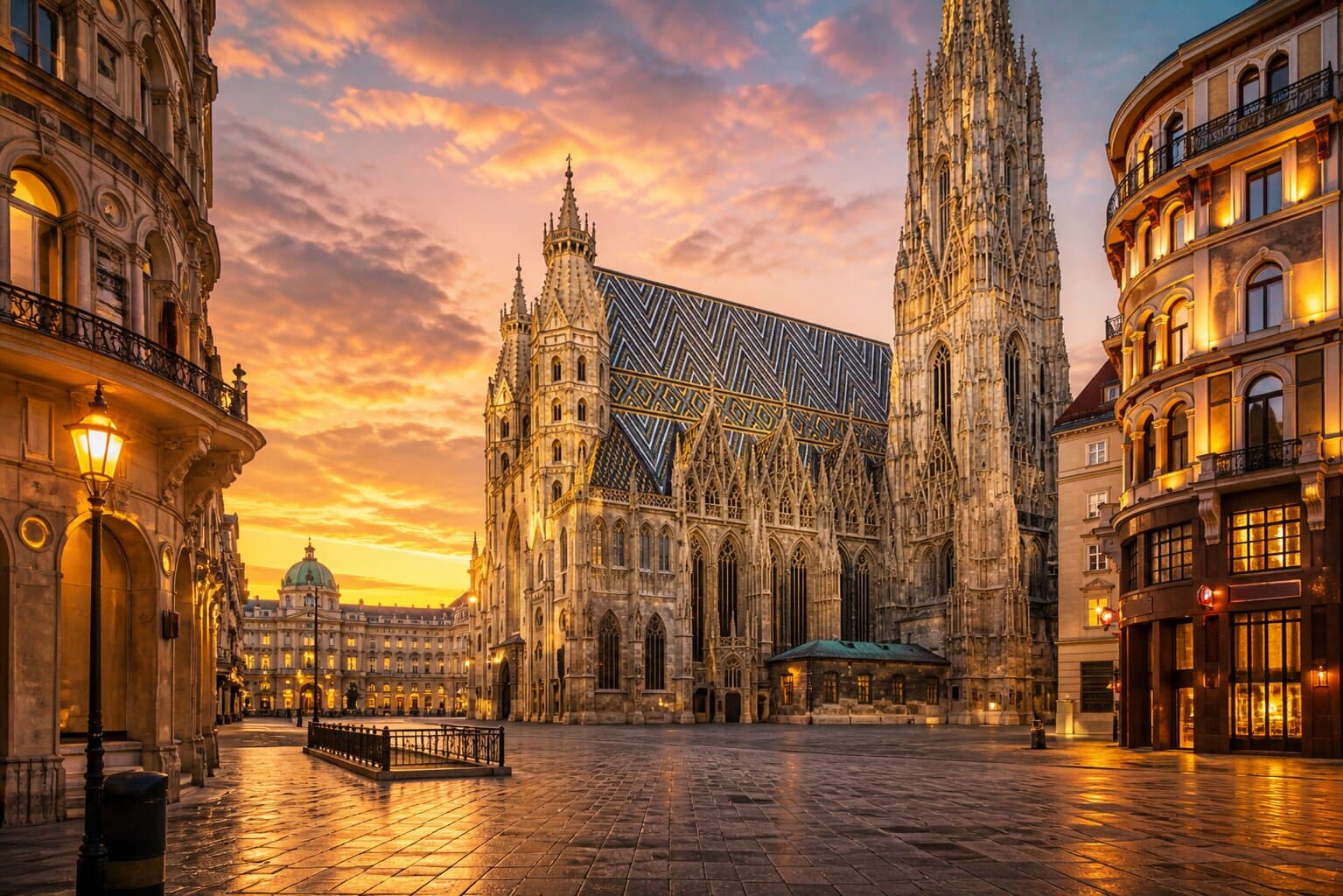
Vienna rewards a clear district pick: Innere Stadt for museum weekends, Neubau or Mariahilf for café evenings, and Leopoldstadt or Wieden when quieter U-Bahn bases lead.
4.7 · From about $141 / night · April to May

Barcelona rewards a metro-friendly base: Eixample or the Gothic Quarter for a classic first trip, El Born for denser evenings, and Gràcia or Barceloneta when space or beach mornings lead.
4.7 · From $136 / night · May to June
Neighborhoods
Pick a base that matches how you want to spend most days—then compare stays in that area.
Best first base for Trinity, river walks, and short hops to museums. Confirm noise tolerance on busy lanes versus quieter side streets.
Explore this areaDense nightlife and visitor energy when evenings lead. Better if you want atmosphere—and can sleep through street noise or pick a quieter edge pin.
Explore this areaClassic hotels near Merrion Square and museums when calmer evenings lead without giving up short centre walks.
Explore this areaCanal-edge café streets south of the densest tourist lanes when you want a more local evening pace.
Explore this areaModern rooms and more space when centre rates climb. Plan transfer time if most evenings stay in City Centre.
Explore this areaNorthside café energy when quieter value and a local dining rhythm lead, with short hops back into the centre.
Explore this areaLocal forecast
A short read for packing and outdoor timing—pair it with the seasonal notes for the bigger picture.
Now
11°C
Overcast
Today
11° high · 9° low
Drizzle
11° high · 9° low
Thu, Nov 19
11° high · 8° low
Rain
11° high · 8° low
Fri, Nov 20
10° high · 7° low
Overcast
10° high · 7° low
Sat, Nov 21
9° high · 5° low
Overcast
9° high · 5° low
Forecast via Open-Meteo · temperatures in Celsius
Stay ideas
Open a stay for photos and amenities, then continue when the place and price feel right.

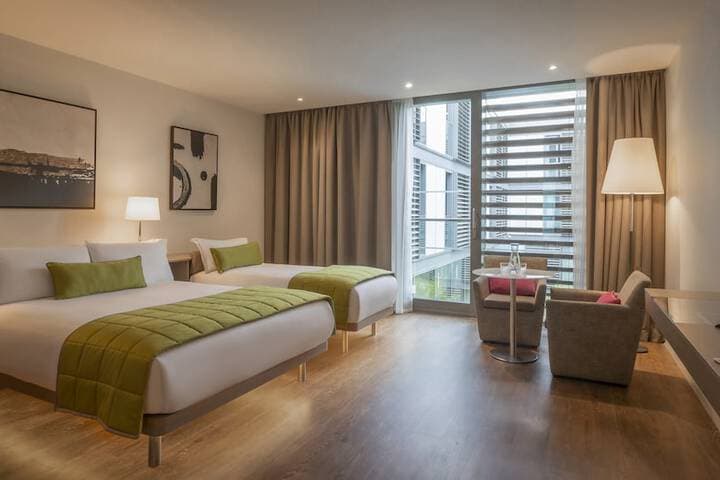
Smithfield · Hotel
Hotel in Smithfield for up to 2 guests.
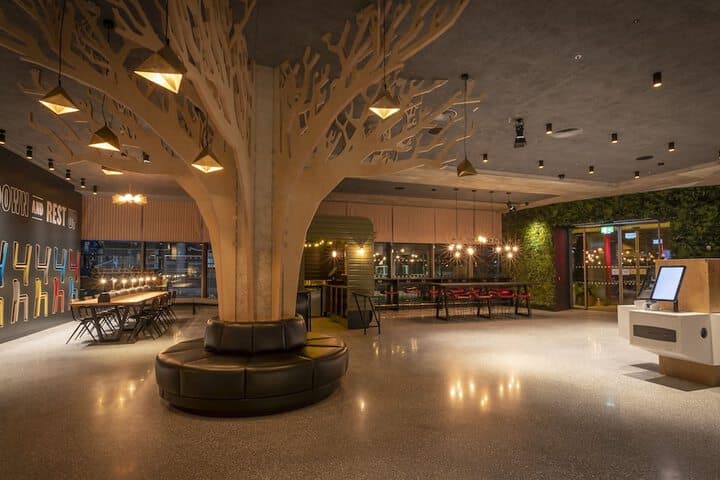
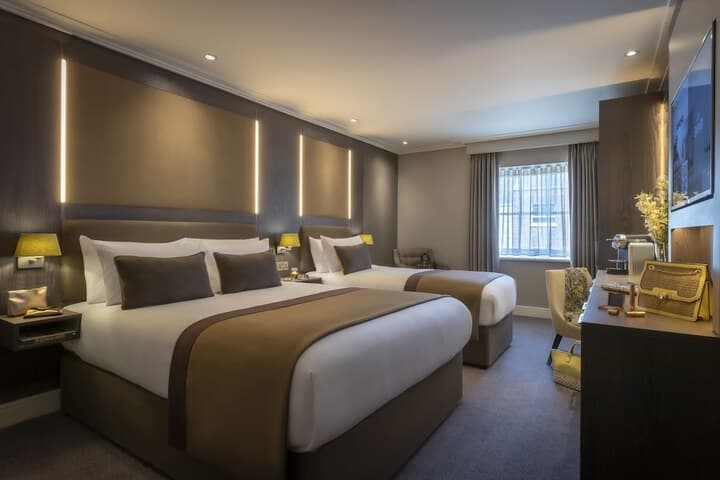
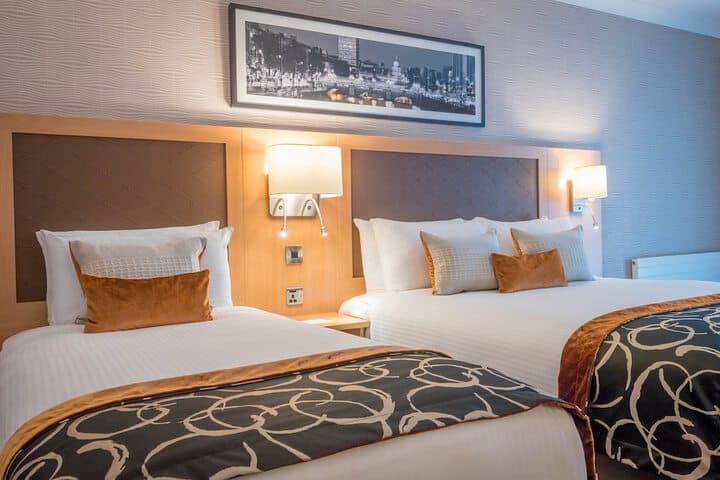
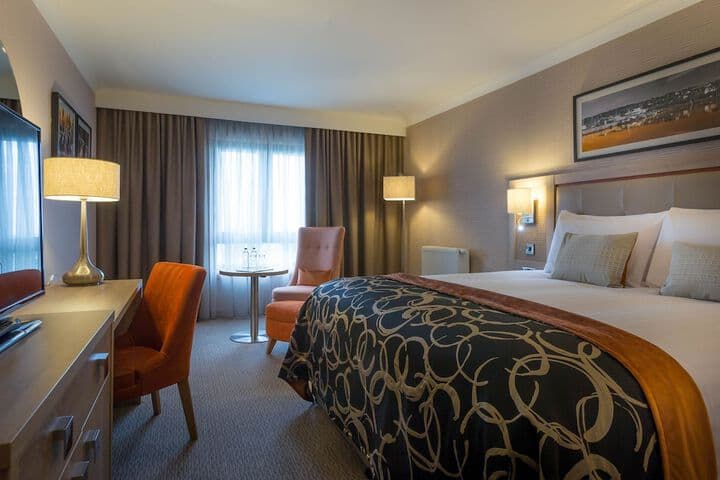
Carmanhall and Leopardstown · Hotel
Hotel in Carmanhall and Leopardstown for up to 2 guests.