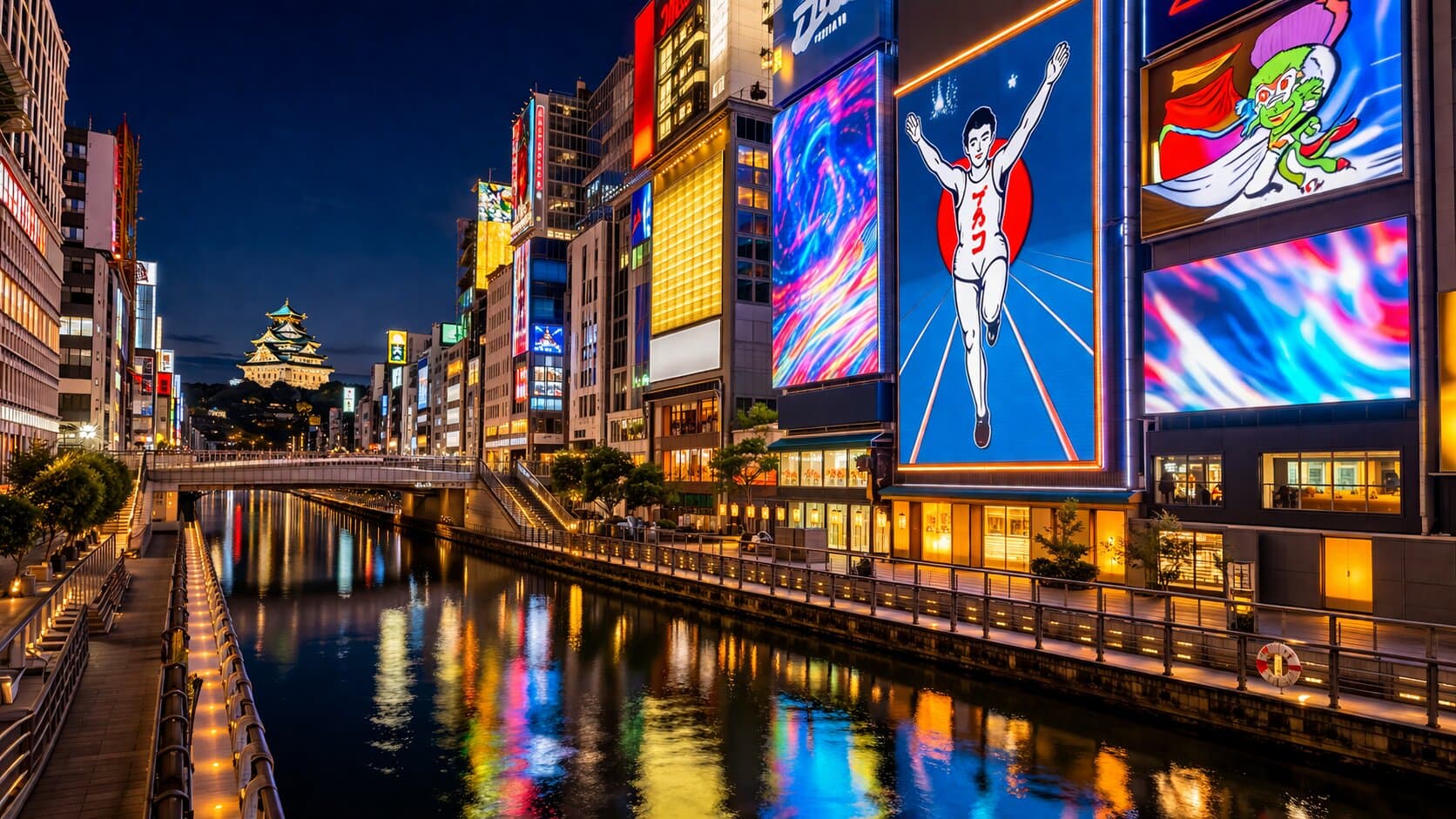
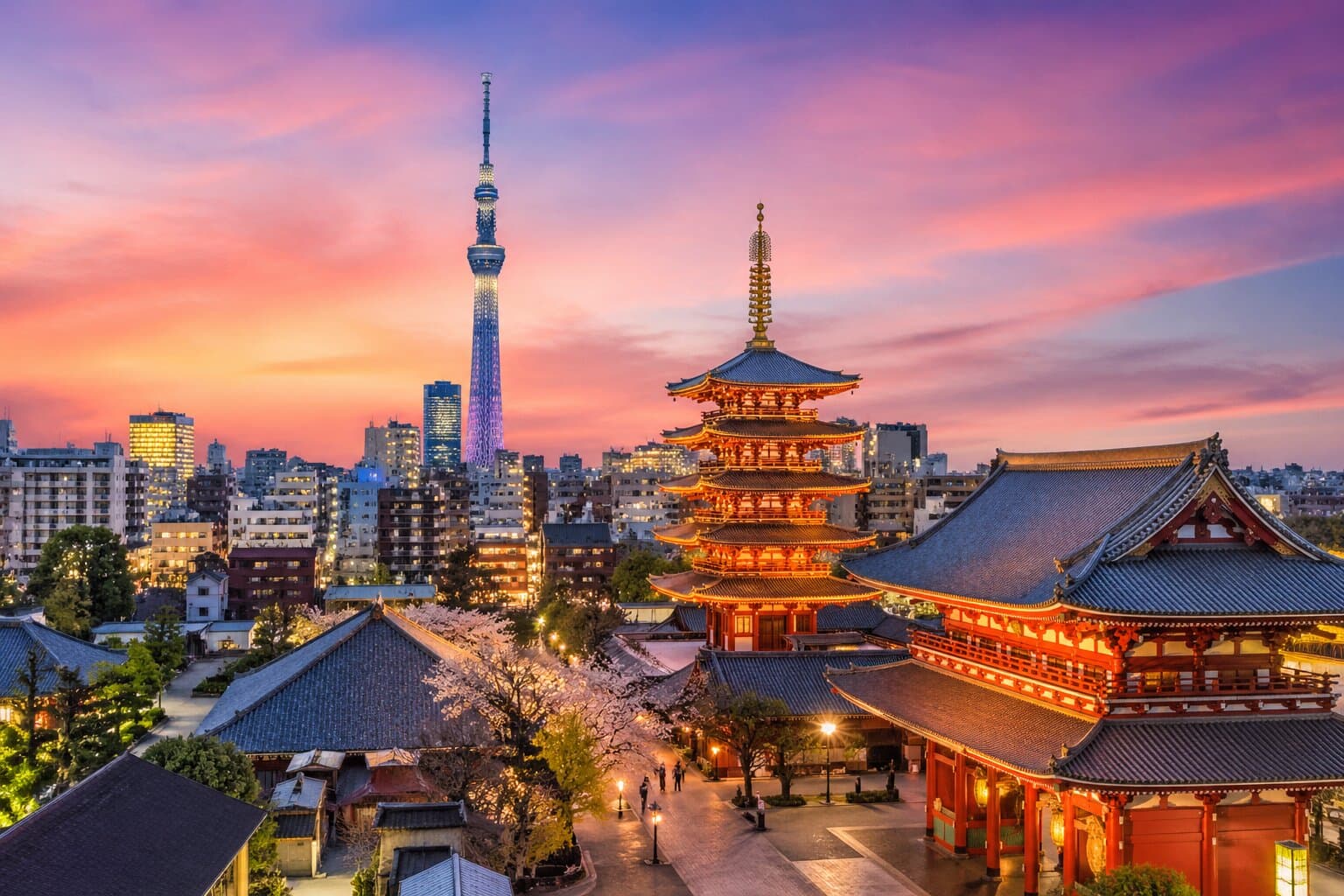
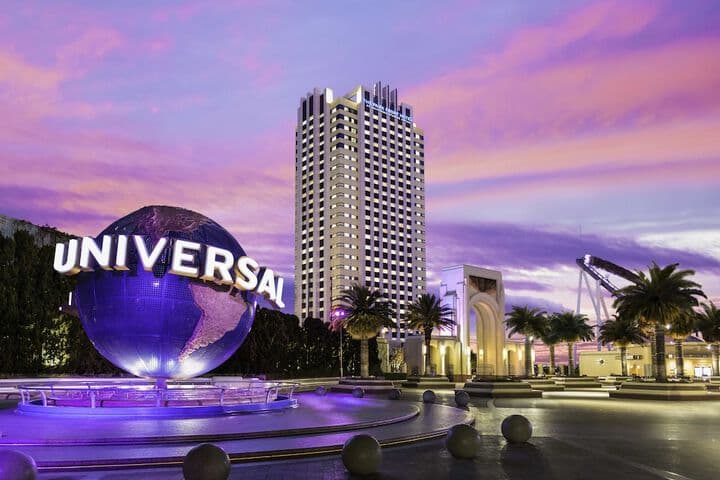
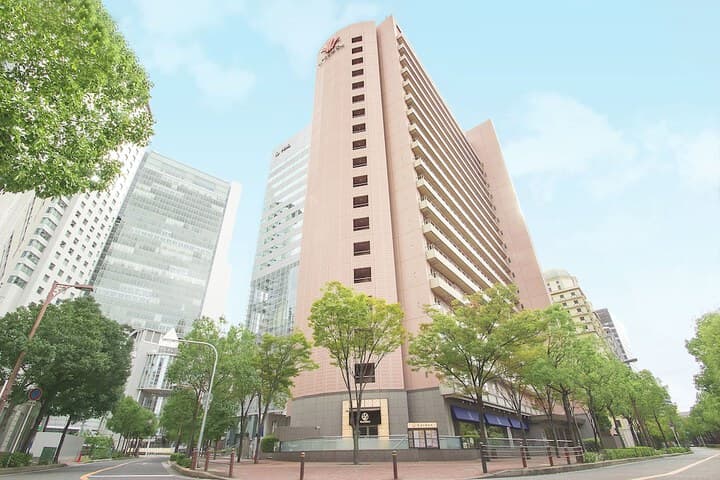
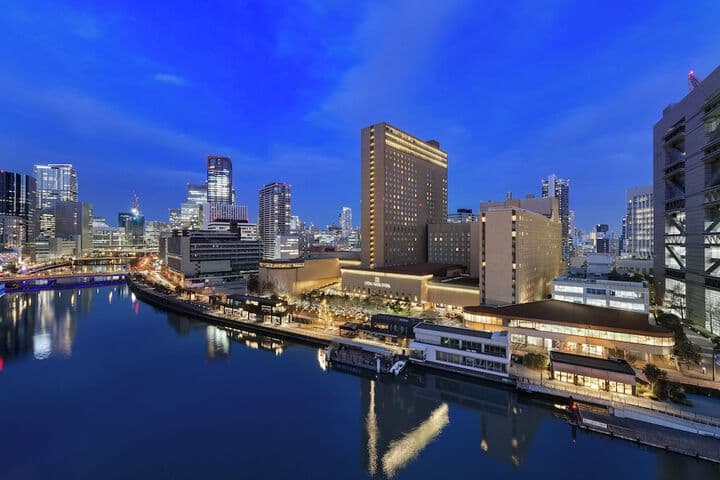
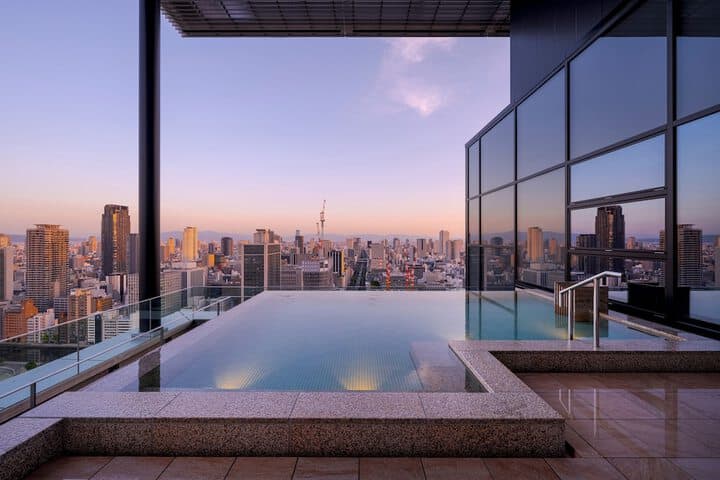
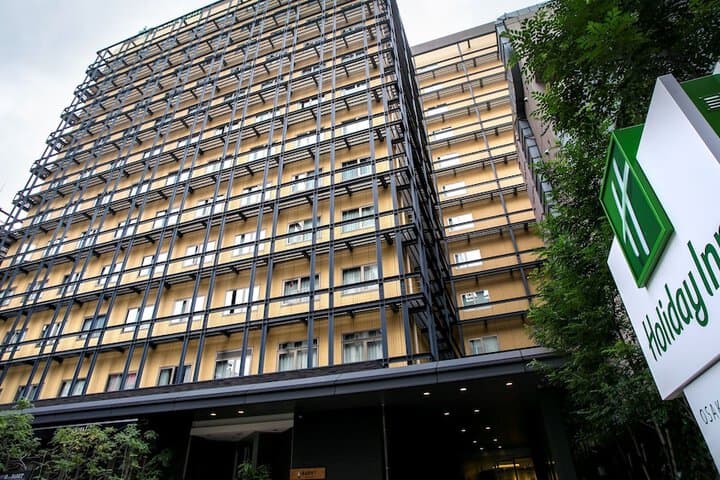
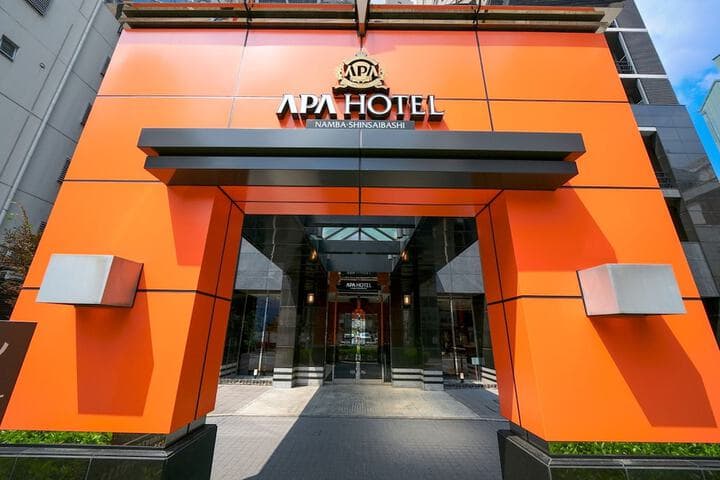
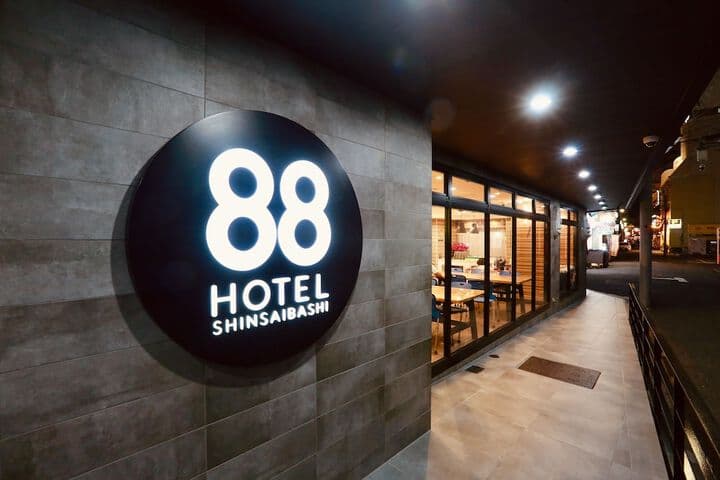
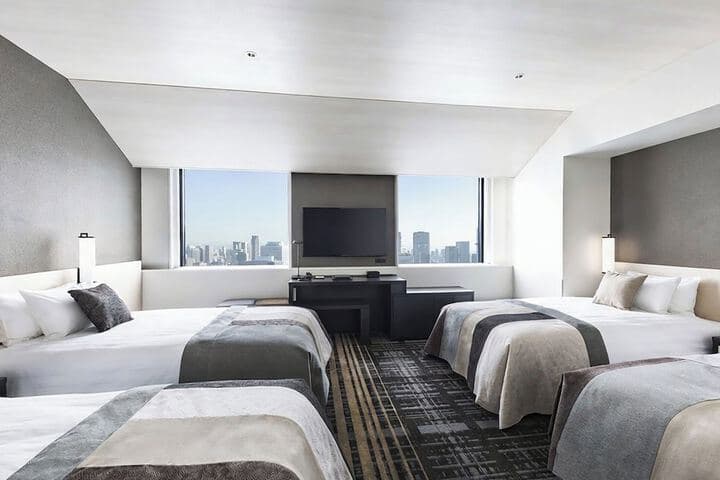
Namba and Umeda are Osaka’s clearest first-trip hotel split. Choose Namba when Dotonbori food streets, evening neon, and a compact south-Osaka base lead, or Umeda when modern shopping, Osaka Station hops, and a slightly calmer north pocket matter more—then keep one Osaka base so you are not comparing a Namba pin to an Umeda hotel after a rushed subway day.
For most first Osaka long weekends, book Namba if food streets, Dotonbori evenings, and a compact south base lead the trip. Choose Umeda when Osaka Station convenience, shopping towers, and a slightly calmer north pocket matter more than living next to the neon—and keep one Osaka base instead of splitting Namba and Umeda on a short stay.
Umeda sits next to Osaka Station, which helps after airport or shinkansen arrivals when you want a clear check-in and short hops north. That convenience matters on a tight city break with day trips.
Namba is equally workable for short stays, but station transfers after a long arrival can feel busier. If your evenings are Dotonbori-led, Namba usually wastes fewer late transfers.
If you only have three or four nights, pick one base. Splitting Namba and Umeda burns a check-in for neighborhoods you can subway between in under half an hour.
Evenings, noise, and what the neighborhood feels like
Namba evenings can run loud near Dotonbori and the densest neon blocks. That energy is the point for many first visits; if you want quieter sleep, prefer side streets off the busiest food strips or Shinsaibashi pins with recent noise notes.
Umeda evenings often feel more shopping-and-tower paced, with nearby pockets like Nakazakicho and Fukushima offering softer dining streets. The trip feels different from a Dotonbori night walk.
Food density is strong in both. Namba wins for classic street-food energy; Umeda pairs better with station convenience and a modern north-Osaka rhythm.
Picking the base before the hotel brand
This is a neighborhood call first. Namba fits travelers who want one south-Osaka home for food streets and neon. Umeda fits travelers who want station ease and will subway south when Dotonbori nights lead.
Once you pick the side, apply the same hotel rule: short walk to a useful subway, clear late check-in, and recent comments about noise.
Shinsaibashi can soften pure Dotonbori crowds while staying south; Tennoji only makes sense if you want a quieter south alternative farther from Namba’s densest neon.
Compare
Namba or umeda?
A quick read before you choose a neighborhood.
Namba
Umeda
Best for
Namba: Food streets, Dotonbori evenings
Umeda: Station arrivals, shopping towers
Transit
Namba: Strong south subway; plan north hops
Umeda: Strongest Osaka Station convenience
Evenings
Namba: Neon and street-food energy
Umeda: Often calmer; shopping-and-dining pace
Noise risk
Namba: Higher near Dotonbori neon
Umeda: Lower than core Namba food strips
Quieter alternative
Namba: Shinsaibashi side streets
Umeda: Nakazakicho / Fukushima
Choose when
Namba: You want a south food-led base
Umeda: You want one hub for station and shopping
Neighborhoods
Where Namba and Umeda hotel bases work best
Osaka rates jump around Golden Week, cherry blossom weeks, and busy weekends. Compare walking time to the subway and recent noise notes before chasing a slightly cheaper pin on a louder strip. Check live stay ideas below for current rates on your dates.
North Osaka · dining streets · Local dining near Umeda
Useful when north-Osaka dining leads and you still want a short hop to Osaka Station.
Explore this area
Before you book
How to choose in a few minutes
1.Pick the neighborhood shape first: Namba for food streets and neon, Umeda for station ease and a calmer north pocket.
2.Count the nights. Under four, one Osaka base is enough—do not split Namba and Umeda.
3.Compare walking time to the subway and recent noise comments before room size.
4.Open the live stay ideas below and confirm the nightly total on your dates—holiday and festival weeks fill both areas early.
Weather
Weather in Osaka
Loading a short forecast for this destination…
Loading a short forecast for this destination…
FAQ
Common questions about namba vs umeda
Is Namba or Umeda better for a first Osaka hotel stay?
Namba is usually simpler for a first food-led visit because Dotonbori and Shinsaibashi sit close together. Choose Umeda if Osaka Station convenience and a slightly calmer north pocket matter more than living next to the neon.
Can I visit both Namba and Umeda without changing hotels?
Yes. They are a straightforward subway ride apart. Pick one hotel base and day-trip to the other so you avoid two check-ins on a short city break.
Where should I stay in Namba?
Start in Namba for a dense south hotel map. Use Dotonbori when food nights lead, or Shinsaibashi when shopping and a short walk to Namba matter with a bit less neon.
Where should I stay in Umeda?
Start in Umeda for Osaka Station convenience and shopping towers, or use Nakazakicho / Fukushima when you want softer dining streets nearby.
Is Umeda better for day trips from Osaka?
Often yes for rail-led day trips, because Osaka Station sits in the Umeda area. If your evenings are still Dotonbori-led, weigh that against a nightly subway hop south.
What should I check before booking Namba or Umeda?
Walking time to the subway, late check-in, recent noise notes, and the live nightly rate on your dates. Holiday and festival weeks push both areas up.
Stay ideas
Places to stay in Osaka
Loading stay options for this comparison…
Loading stay options for this comparison…
Related comparisons
Other stay choices to weigh
More decision pages if you are still narrowing the trip.